Amenity Kit
What Goes Into an Amenity Kit
A typical amenity kit includes personal care essentials such as shampoo, conditioner, body wash, body lotion, and a bar of soap. Beyond the basics, properties often add grooming items like a razor, dental kit, cotton pads, and a sewing kit. Comfort extras — think eye masks, earplugs, slippers, and shower caps — round out the offering. The specific contents vary widely depending on the property’s positioning and guest profile. A luxury boutique inn might include hand-blended botanical oils and a curated local tea selection, while an adventure lodge could offer lip balm with SPF, insect repellent wipes, and a reusable water bottle.
Amenity Kits as a Brand Differentiator
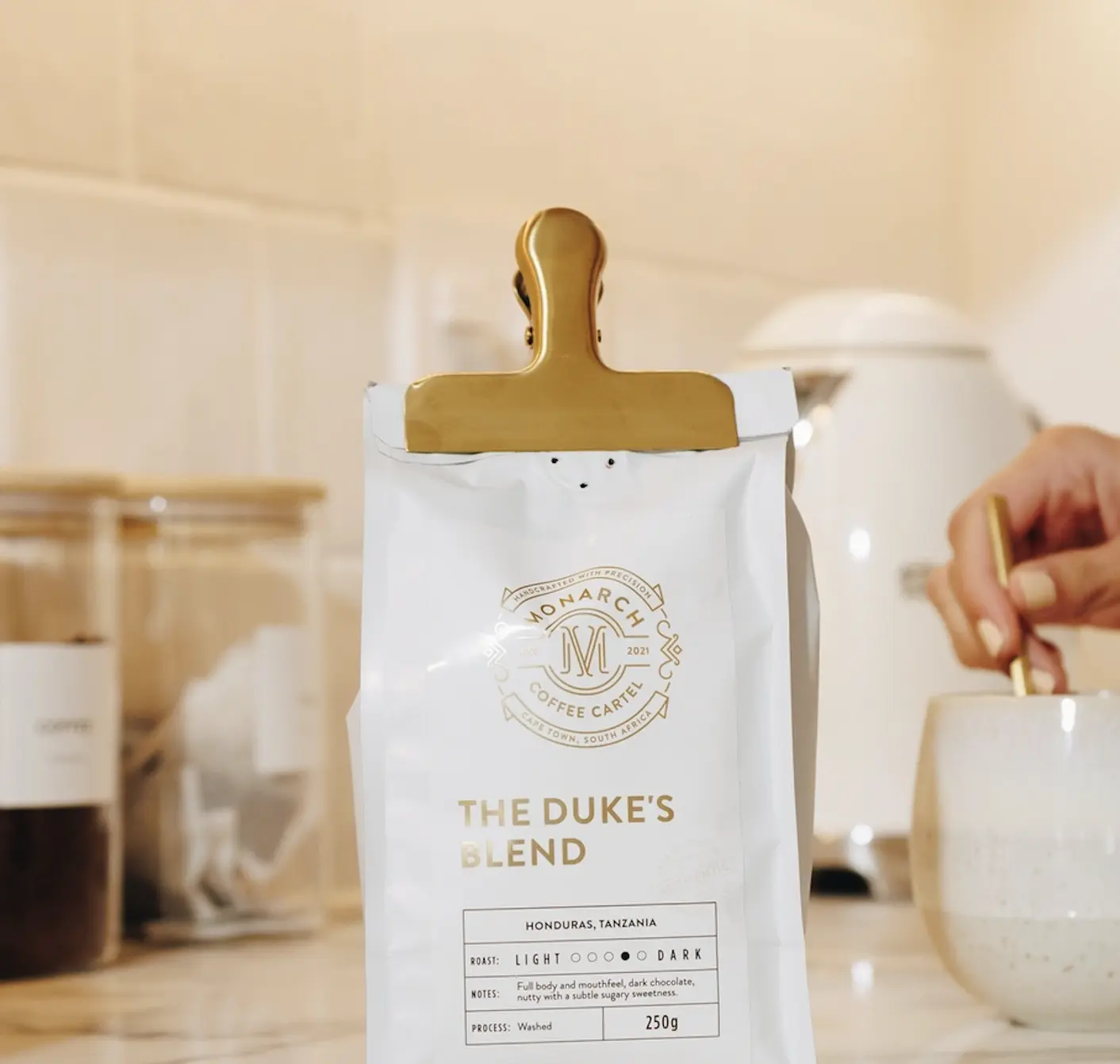
For boutique properties competing against well-funded chains, the amenity kit represents a high-impact, relatively low-cost opportunity to communicate brand identity. The products you choose, how they are packaged, and how they are presented in the room all tell a story about your property. Partnering with local artisans or regional skincare brands creates a sense of place that mass-produced amenities never can. Guests increasingly notice and appreciate these details — and they share them on social media. A beautifully presented amenity kit featuring a local ceramicist’s soap dish or a small-batch lavender balm from a nearby farm becomes a talking point that extends your marketing reach organically.
Sustainability and the Shift Away from Miniatures
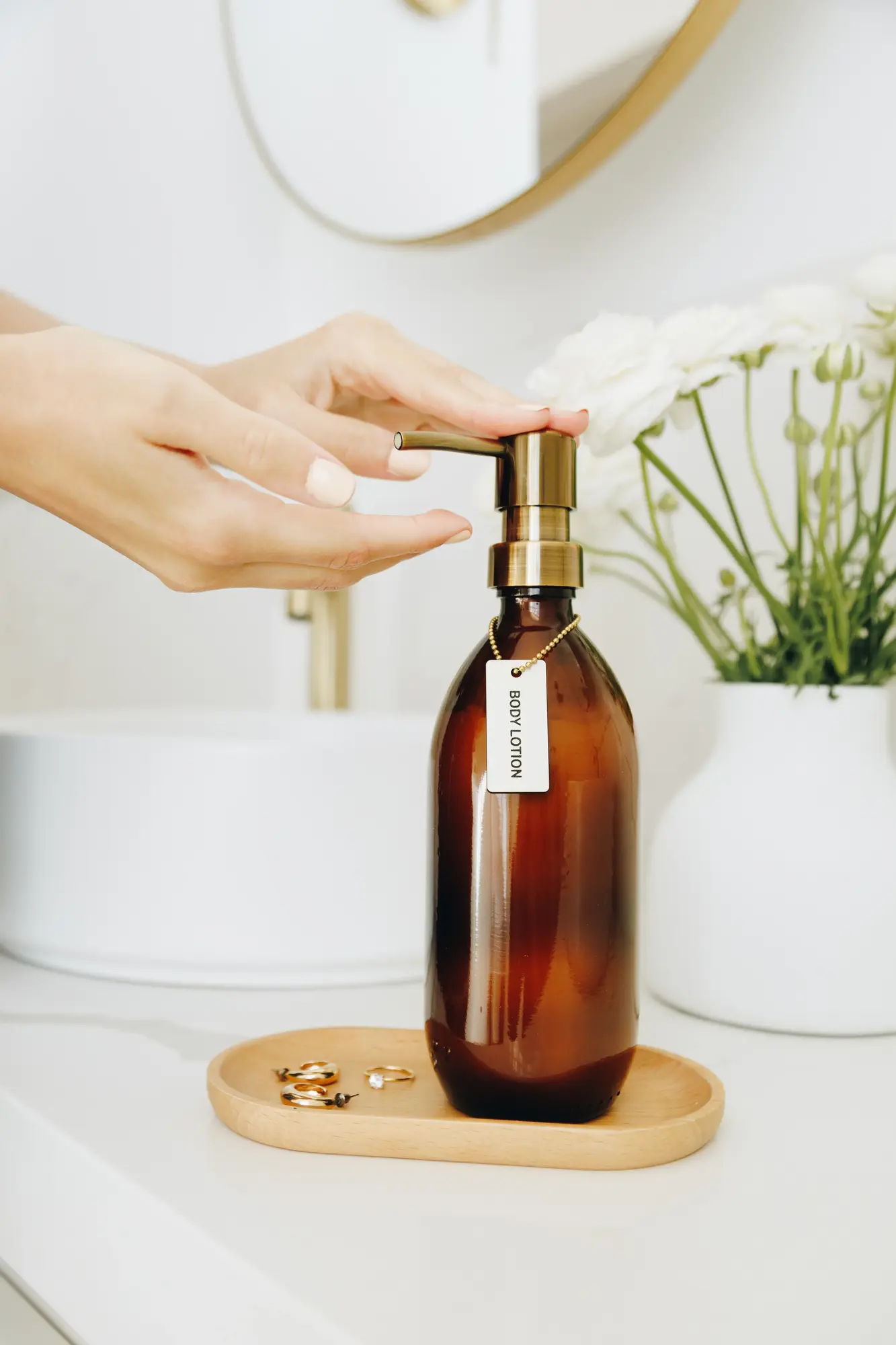
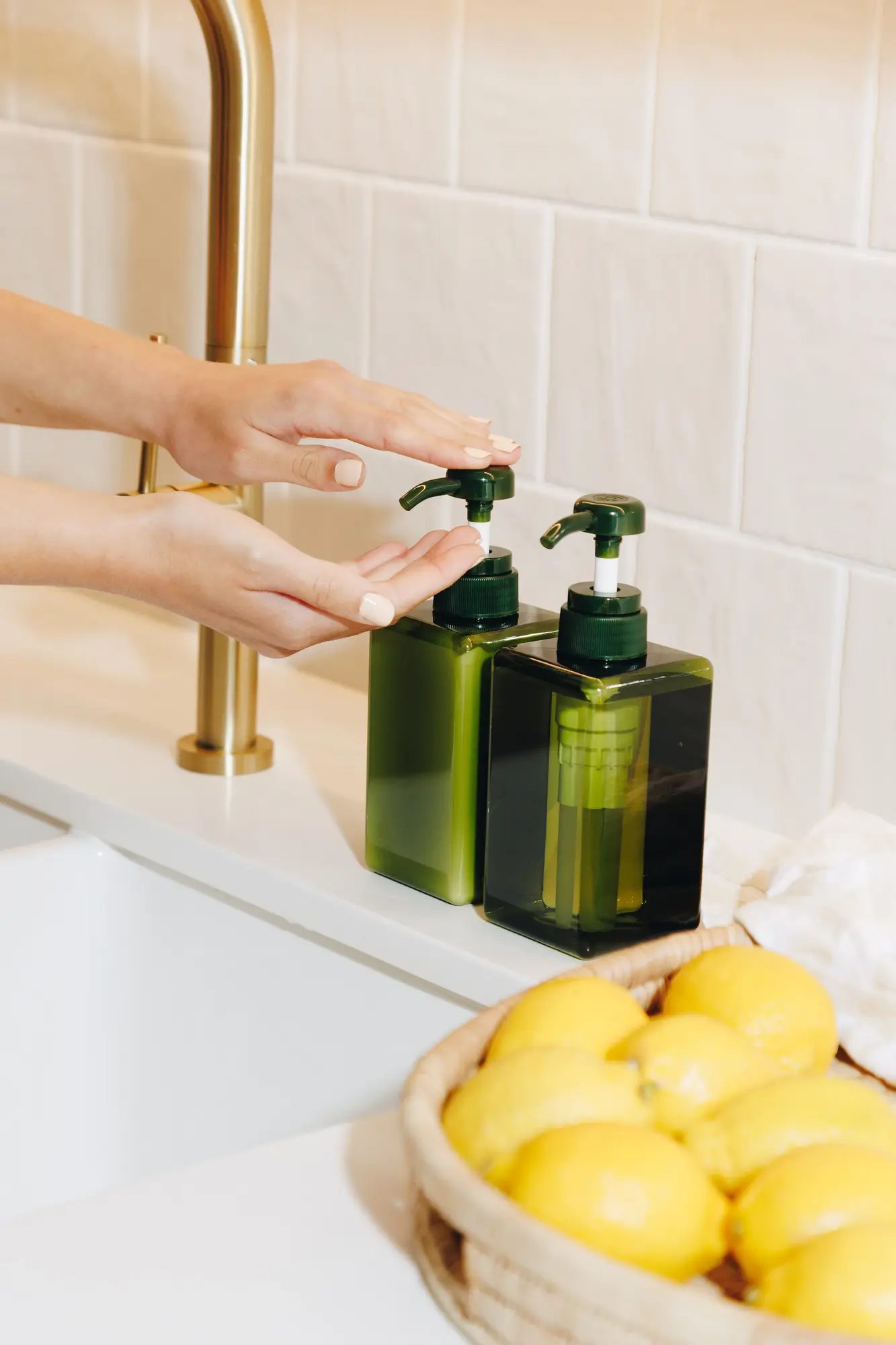
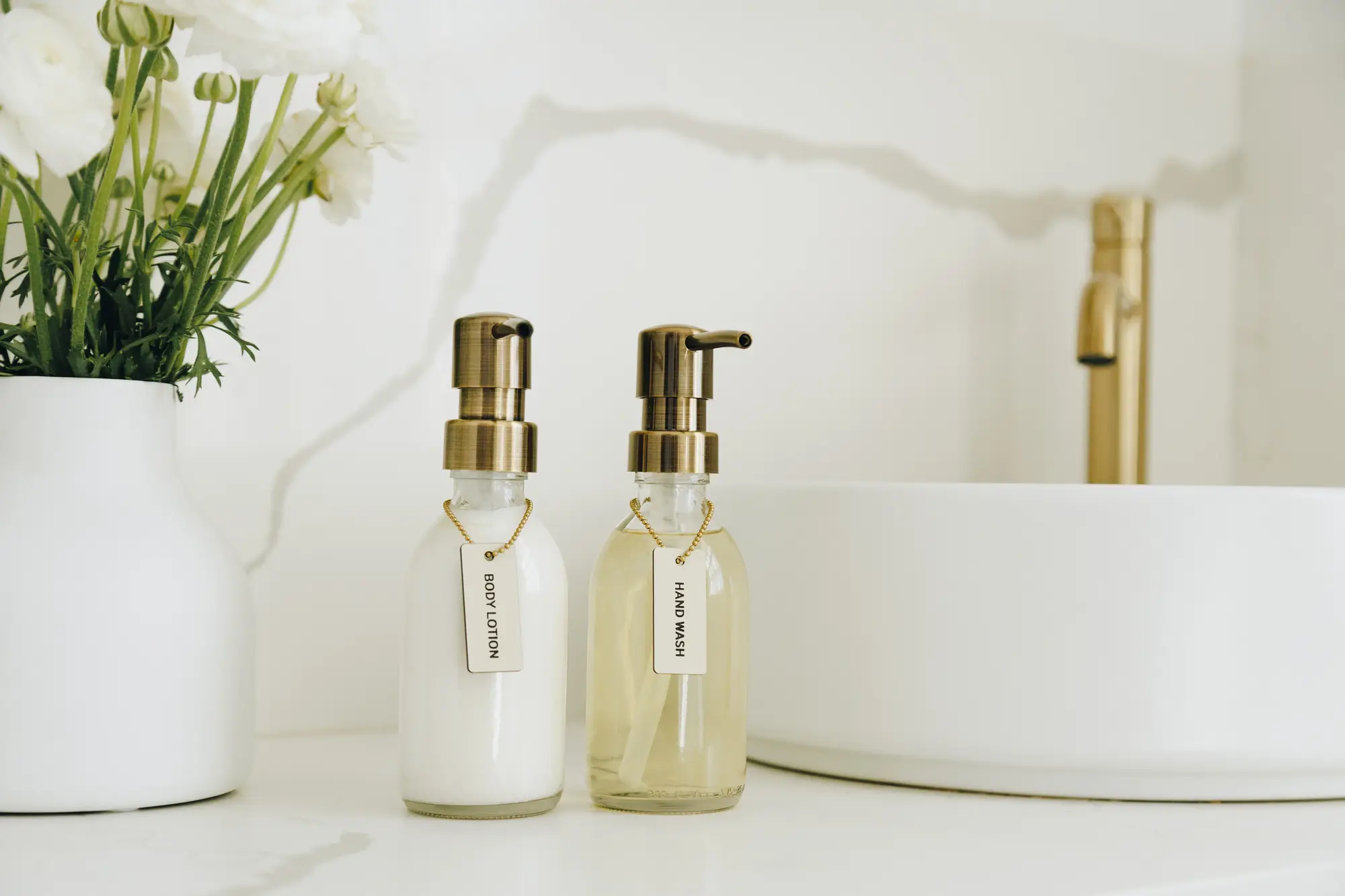
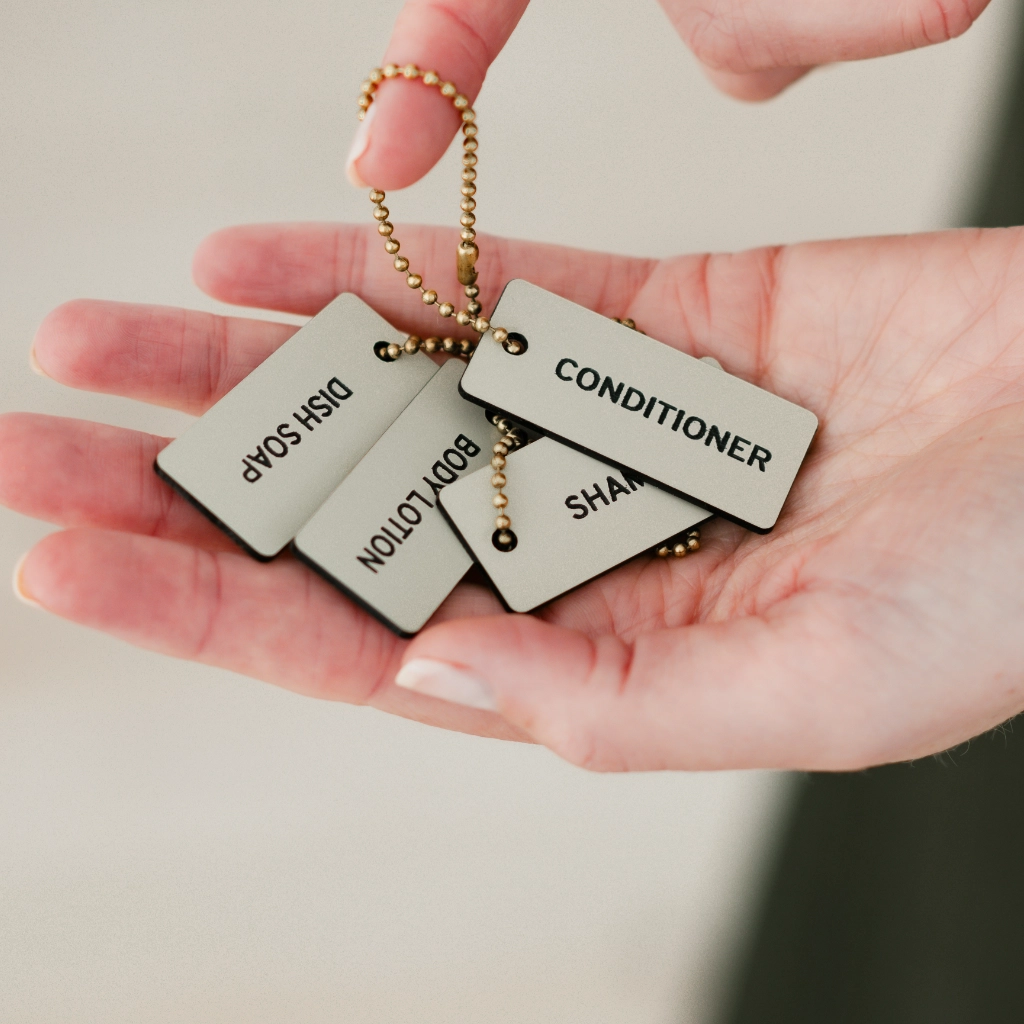
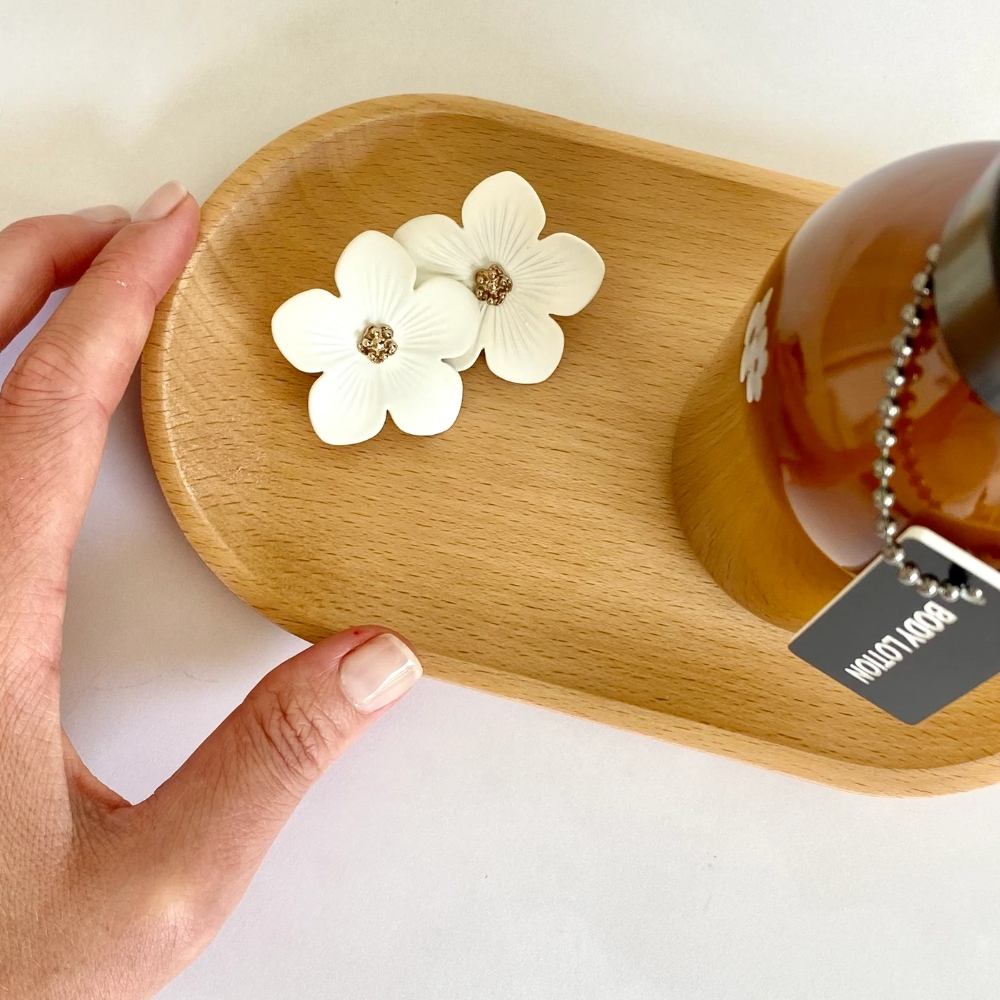
The hospitality industry is moving decisively away from single-use miniature plastic bottles. Many regions have introduced legislation banning them outright, and guest expectations have shifted accordingly. Refillable wall-mounted dispensers, solid shampoo and conditioner bars, and compostable packaging are now standard at forward-thinking properties. This transition often reduces long-term costs while improving environmental credentials. When making the switch, invest in dispensers that look and feel premium — a cheap plastic pump bottle undermines the guest experience regardless of what is inside it.
Balancing Cost with Perceived Value
The key to a successful amenity programme is understanding that perceived value matters far more than unit cost. A thoughtfully selected, attractively presented kit costing three dollars per room night can feel more luxurious than a generic collection costing twice as much. Focus your budget on the items guests actually use and notice — a superb hand cream or a genuinely good shampoo — rather than spreading it thinly across a dozen forgettable items. Review consumption patterns regularly, retire products that go untouched, and reinvest in the items that guests mention in reviews. The amenity kit should feel intentional, not obligatory.