The Guest Experience Checklist - What Luxury Travellers Actually Expect
Megg Cowley
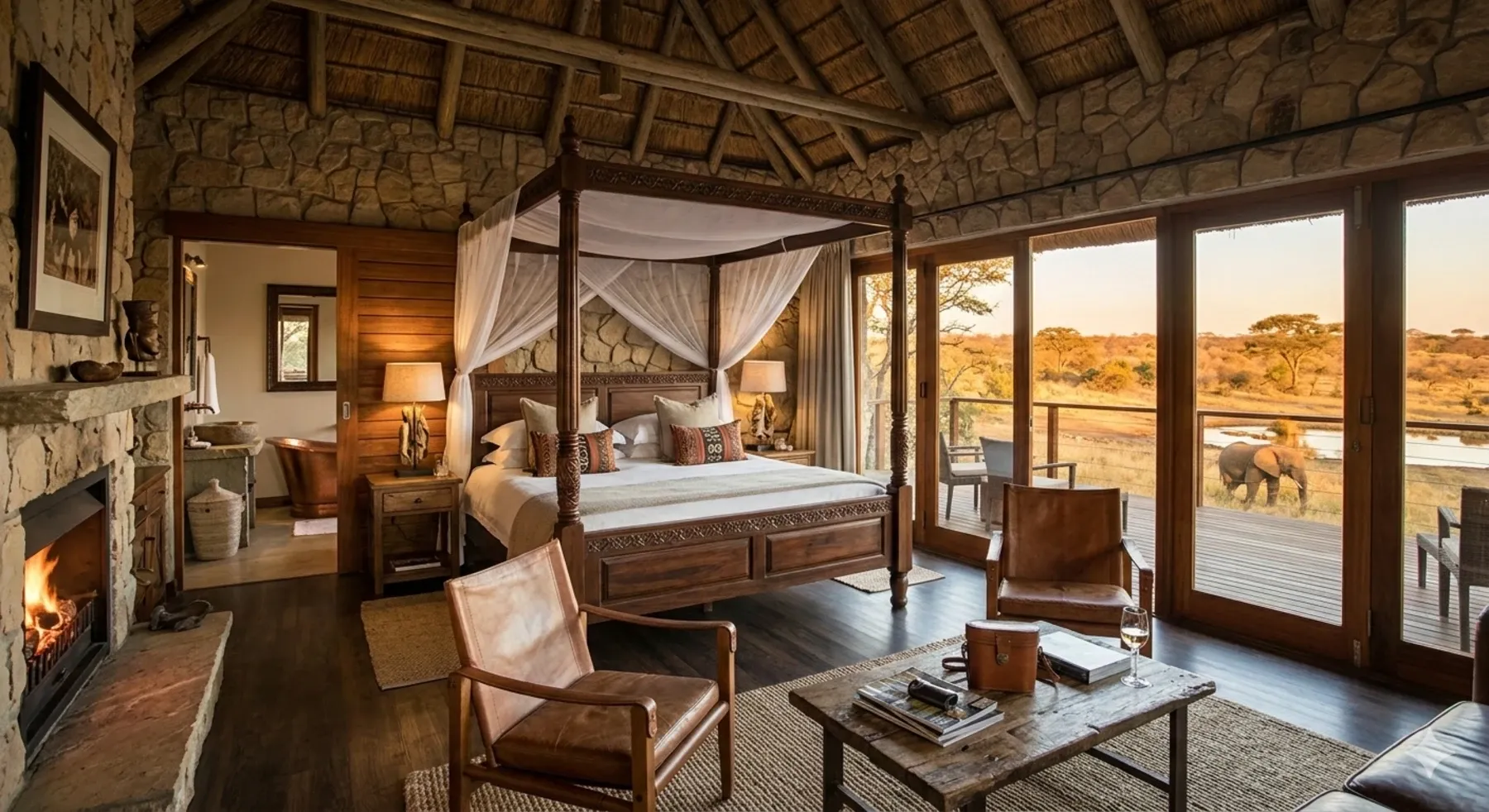
Luxury guests are experienced travellers. They've stayed in five-star hotels, they know what good service looks like, and they notice when something falls short. They're also, when everything is right, among the most loyal guests you'll ever have — quick to leave glowing reviews, likely to return, and generous with word-of-mouth recommendations.
The difference between a four-star stay and a five-star one is rarely about spending more money. It's about attention to detail, anticipating needs before they're voiced, and creating moments that guests remember long after checkout.
This checklist covers what luxury travellers actually expect — across arrival, the physical space, in-stay experience, and departure — along with the extras that turn a good stay into an exceptional one.
Arrival: The First Impression Sets the Tone
Everything about how a guest arrives shapes their mood for the entire stay. Get it right and you're starting with goodwill in the bank. Get it wrong and you're spending the rest of the stay recovering from it.
The basics:
- A confirmed check-in time communicated clearly before arrival, with instructions that are easy to follow (not a paragraph buried in a booking confirmation sent three months ago)
- Someone present to welcome guests on arrival, or a seamless self-check-in process if you're not on-site
- A property that is visibly clean, tidy, and ready — beds made, surfaces wiped, no evidence of the previous guests
- Working lights, running hot water, and functional air conditioning or heating — before the guest has to ask
What separates good from great:
- A personal welcome message — even a handwritten note — that uses the guest's name and acknowledges the reason for their stay if you know it (anniversary, birthday, honeymoon)
- A cold drink or a welcome snack waiting on arrival, ideally something local
- A brief in-person orientation if you're present: where things are, how the fireplace works, the code for the gate, where to find the local guide
- Luggage assistance where appropriate
Guests notice when a host has thought about arrival from the guest's perspective rather than their own. The difference between "here's your key, WiFi password is on the fridge" and a genuine, warm welcome is the difference between an adequate first impression and a memorable one.
The Physical Space: Quality Over Quantity
Luxury isn't about how many amenities you offer — it's about how good the ones you do offer actually are. Guests at the premium end of the market would rather have three things done exceptionally than ten done adequately.
Bedrooms:
- High-quality linen with a thread count that's noticeably soft — guests who pay premium rates sleep in good hotels regularly and can feel the difference
- A mattress that's genuinely comfortable, not one that's been there for eight years
- Blackout curtains or blinds, or an alternative for guests who sleep late
- Enough pillows, and enough variety (some guests prefer firm, some soft)
- Bedside charging points on both sides of the bed — this is now a baseline expectation, not a bonus
- Good bedside lighting that can be dimmed or switched individually
- A luggage rack or dedicated space to unpack — guests shouldn't have to live out of bags on the floor
Bathrooms:
- Thick, plush towels that are clean and odour-free
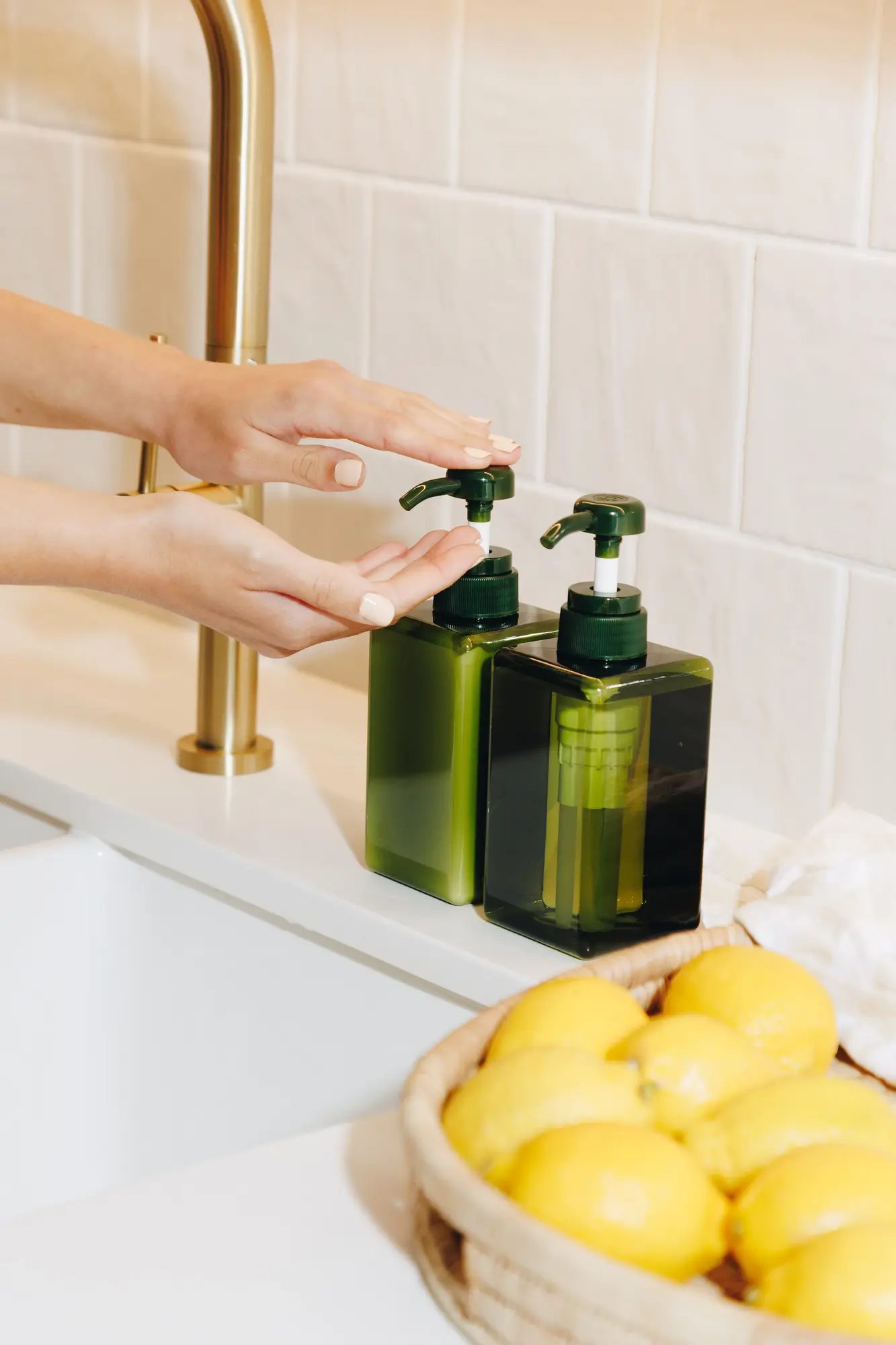
- Quality toiletries — full-sized or at least substantial travel sizes, not the thin plastic sachets from a cash-and-carry. Local brands make a strong impression
- A rain shower or a bath with good water pressure and reliable hot water
- A mirror with good lighting
- Storage space for toiletries and personal items
- A hairdryer that actually works
Living and dining spaces:
- Comfortable seating that people actually want to sit in for extended periods
- A dining table large enough for the number of guests the property sleeps
- Good lighting throughout — and ideally, control over the mood lighting in key spaces
- A clean, well-stocked kitchen with quality cookware, sharp knives, and enough crockery and glassware for the full occupancy
- Coffee that's a step above instant: a French press, a Moka pot, a filter machine, or a capsule machine with quality pods
- A starter stock of basics: good olive oil, salt, pepper, coffee, tea, sugar, and a small selection of local condiments
Connectivity and In-Room Tech
Technology is table stakes now. Luxury guests work remotely, stream content, and rely on connectivity even when they're trying to switch off.
- Fast, reliable WiFi throughout the property — including outdoor spaces if possible. If the connection is slow or drops frequently, it will be in the review
- Clear, upfront information about WiFi limitations if there are any (a remote game lodge with satellite internet should say so, not leave guests to discover it on arrival)
- A smart TV with Netflix or streaming capability, or clear instructions for how to connect a personal account
- Charging points in all key locations — bedroom, living area, ideally outdoors
One small but high-impact addition: a printed or digital guide to using the property's tech. Not everyone knows how to connect to a smart TV or find the second WiFi network that reaches the garden.
Local Knowledge: The Concierge Advantage
One of the biggest advantages a boutique property has over a chain hotel is the depth of local knowledge an owner or manager can offer. This is genuinely one of the things luxury guests value most — the kind of insider information that makes a trip feel curated rather than generic.
Prepare a local guide that goes beyond the tourist brochure. Include:
- Restaurant recommendations with honest context ("go for lunch rather than dinner," "book ahead, it fills quickly on weekends")
- Hikes, drives, and experiences that aren't in the guidebooks
- Where locals shop for fresh produce, meat, or artisan products
- The best time of day to visit specific spots
- What to avoid and why
- Any seasonal events or activities worth knowing about
Make this available digitally before arrival — guests often plan activities in advance — and have a physical copy in the property. Update it regularly; a recommendation for a restaurant that closed two years ago undermines everything else in the guide.
If you're a farm stay or game lodge, your local knowledge goes even further. Guests are on your land or in your ecosystem. Knowing where to walk at dawn, which viewpoint catches the sunset, what animal tracks they spotted on the path — this is the kind of knowledge that no hotel concierge can replicate and that guests will talk about for years.
Housekeeping and Maintenance Standards
Even the most beautifully designed property loses its lustre if the cleaning is inconsistent or maintenance issues go unaddressed.
Cleaning standards:
- Pay particular attention to the areas guests scrutinise most: bathrooms (grout, taps, mirrors), kitchens (inside appliances, under the coffee maker), and soft furnishings (cushion covers, throws, mattress protectors)
- Ensure the property smells clean and neutral — no mustiness, no heavy cleaning products, no pet odour
- Check for and remove cobwebs, dead insects in light fittings, and dust in corners — these are the details a guest notices when they're spending several days in a space
Maintenance:
- Walk through the property before every guest arrival with fresh eyes — not as the person who manages it, but as a guest who's never been there before
- Address minor maintenance issues promptly: a dripping tap, a door that sticks, a flickering bulb. Small irritations compound over a multi-night stay
- Have a clear process for guests to report problems, and respond quickly when they do
Handling Issues: What Sets a Five-Star Response Apart
Problems happen. A pipe leaks, a key breaks, the WiFi goes down. How you respond when something goes wrong is one of the most powerful signals of the kind of operator you are.
Luxury guests don't expect perfection — they expect responsiveness, honesty, and a genuine effort to make things right.
What to do when something goes wrong:
- Acknowledge the problem quickly and without defensiveness
- Communicate what you're doing to fix it
- Offer something tangible as a gesture of goodwill — a bottle of wine, a discount on a future stay, a meal arranged at a local restaurant — even if the problem wasn't entirely your fault
- Follow up to confirm the issue was resolved to their satisfaction
What guests write in negative reviews is almost never "the thing broke." It's "when the thing broke, nobody helped us" or "when we raised it, we were made to feel like we were being unreasonable." The issue itself is rarely the story. Your response is.
The Surprise-and-Delight Layer
Everything above is the baseline. The things that generate five-star reviews and repeat bookings are the things guests didn't expect but found waiting for them.
These don't have to be expensive. They have to be thoughtful.
- A bottle of local wine with a note about the farm it came from
- A small arrangement of flowers from the garden
- Locally made fudge, biscuits, or preserves left on the kitchen counter
- A fire already laid (not lit, but laid — ready to go)
- Fresh herbs growing in a pot on the kitchen windowsill, with a note saying guests are welcome to use them
- A personalised note that references something specific about the guest's trip ("hope the wedding goes beautifully" or "enjoy your first visit to the Winelands")
For game lodges and farm stays in particular, the surprises available to you are completely unique. An unexpected visit to a working part of the farm, a private game drive at an unusual time, a braai set up at a remote viewpoint — these are the moments guests photograph, talk about, and write about.
The Departure: End on a High
The end of a stay is the last thing guests remember before they write their review. Don't let it peter out.
- Confirm checkout time clearly a day in advance, without it feeling like a reminder to leave
- Offer a late checkout where your schedule allows — this costs you almost nothing and guests remember it
- Have a process for holding luggage if guests want to spend a few final hours in the area before their journey
- Send a brief, warm message after departure thanking them for staying and inviting them to return
A personal farewell — even a message — signals that the stay mattered to you, not just as a transaction but as a hospitality relationship. That distinction is what converts a satisfied guest into a loyal one.
After the Stay: Reviews and Return Visits
Most guests who had a wonderful stay intend to leave a review but never get around to it. A gentle, timely prompt makes a meaningful difference to your review count.
Send a follow-up message 24–48 hours after checkout — not immediately, which feels transactional, and not a week later, when the stay has faded. Keep it brief and personal:
"We loved having you — hope the drive home was smooth. If you have a moment, we'd be so grateful for a review on platform. It makes a real difference for a small property like ours."
Include a direct link to your review page. Friction kills follow-through.
For guests who mention they'd like to return, note it. A message six months later — "we've just finished some updates to the garden, and thought of you" — is the kind of personal touch that turns a one-time guest into a regular.
The luxury guest experience isn't built on a single gesture or a single amenity. It's the accumulation of a hundred small decisions, each one made with the guest's perspective in mind. Get those right consistently, and the reviews, the return visits, and the referrals will follow.
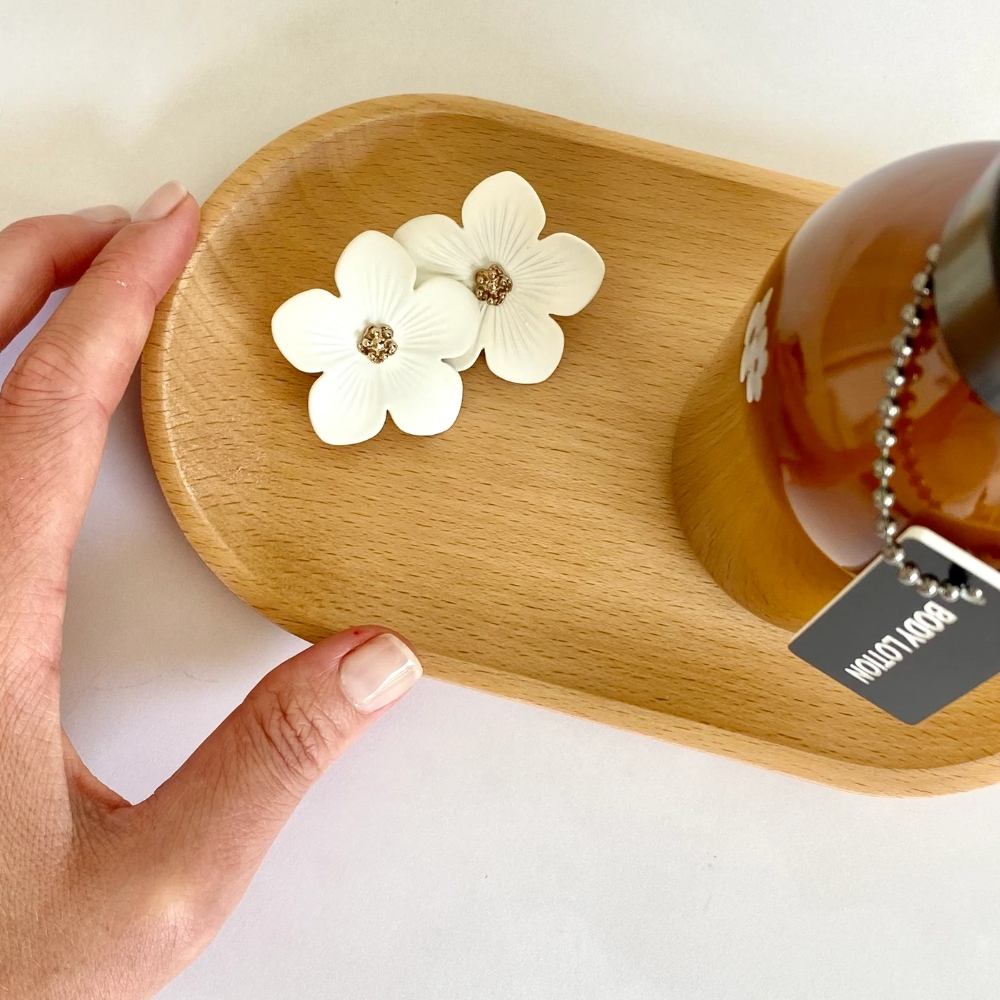
Premium guest amenities for hospitality and home
Discover our curated collection of premium amenities, designed to add a touch of everyday luxury to your guests' experience.