How to Write a Luxury Accommodation Listing That Converts
Megg Cowley
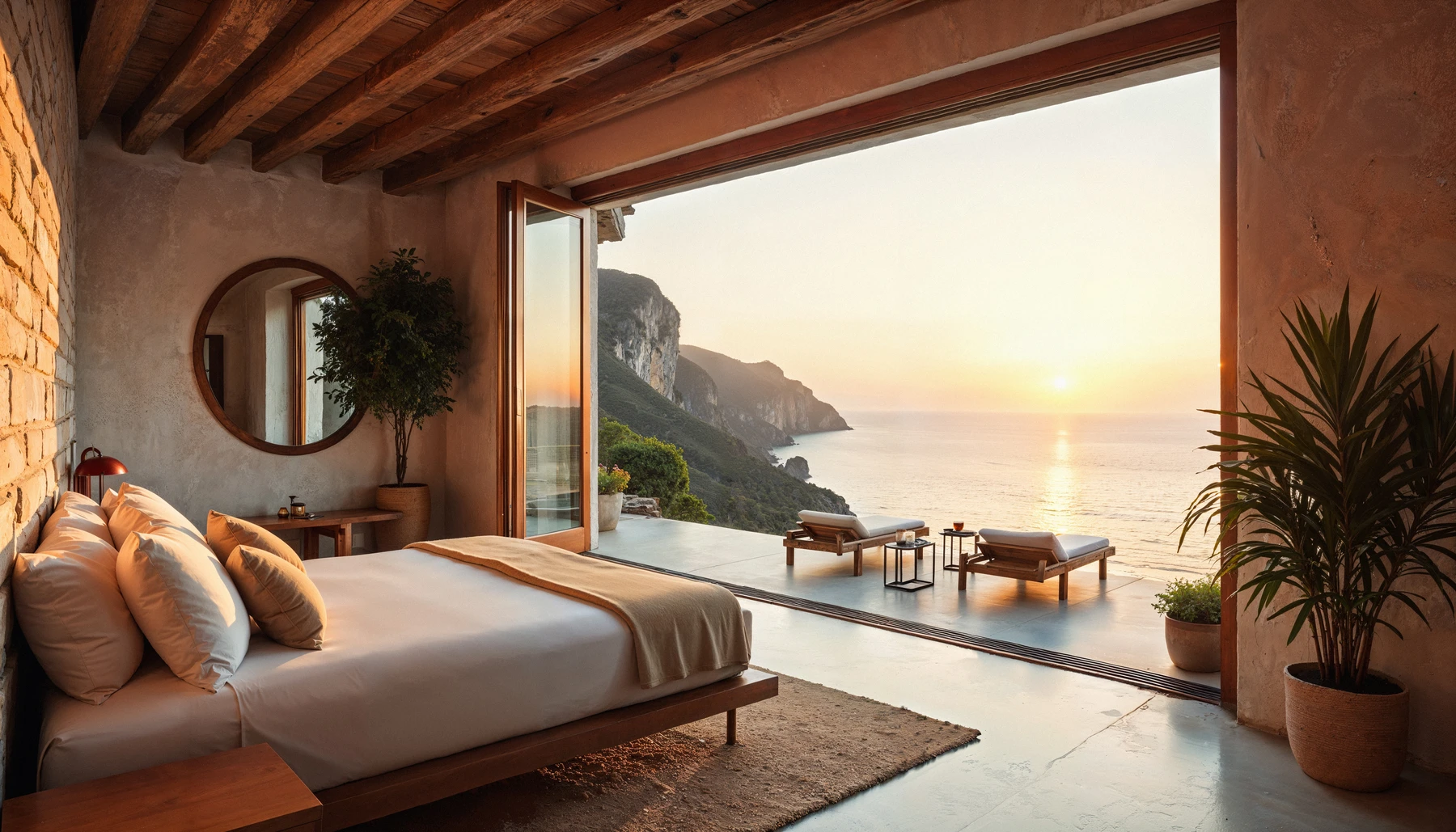
Great photos bring guests to your listing. Great copy is what makes them book.
For boutique hotels, guesthouses, farm stays, and game lodges competing in the luxury segment, the way you describe your property does two things: it attracts the right guests — the ones who value what you offer and are willing to pay for it — and it sets expectations accurately so that the guests who arrive are the ones most likely to leave a glowing review.
This guide covers how to write accommodation listing copy that ranks in search, converts browsers into bookers, and positions your property at the tier it deserves.
Know Who You’re Writing For
Before you write a single word, get clear on your guest. Not all luxury travellers are the same, and the copy that resonates with a couple celebrating an anniversary is different from what speaks to a family booking a safari experience or a group of friends on a wine-country retreat.
Ask yourself:
- Who books my property most often, and why?
- What are they escaping from or looking for?
- What would make them choose my property over a large hotel chain?
A farm stay in the Karoo attracts guests who want stillness, stars, and space — not a packed activity schedule. A game lodge appeals to guests who want proximity to wildlife and a sense of adventure. A boutique guesthouse in a coastal town draws guests who want character, local knowledge, and something that feels personal rather than corporate.
Write your listing for that specific person. Generic copy that tries to appeal to everyone usually ends up compelling no one.
Lead With the Experience, Not the Inventory
The most common mistake in accommodation listings is leading with features rather than experience. A list of what a property has is less persuasive than a picture of what staying there feels like.
Instead of:
“The property has three bedrooms, a fully equipped kitchen, and a private pool.”
Try:
“Spend mornings swimming before the valley wakes up, then take your coffee onto the stoep and watch the mountains change colour with the light.”
The features are still there — guests can find them in the amenities list. Your introductory paragraph is prime real estate for painting a picture that makes someone stop scrolling and think: that’s exactly what I want.
Focus on the sensory details that make your property memorable: the smell of the garden after rain, the sound of the bush at night, the quality of the light through the bedroom shutters at dawn. These are the things guests remember and write about in reviews, and they’re far harder for a competitor to replicate than a pool or a fireplace.
Structure Your Listing for Skimmers and Readers
People don’t read listings — they scan them first, then read the parts that catch their attention. Good listing copy is structured to work both ways.
A solid structure:
1. Opening paragraph (2–4 sentences) Paint the experience. This is your hook. Make it specific to your property’s character and setting.
2. What makes this place different (1–2 paragraphs) This is where you highlight your property’s genuine differentiators — the things a guest won’t find in a comparable property at a similar price point. A working farm with produce guests can pick. A private game reserve. A heritage building with original features. A chef’s kitchen with local wines stocked.
3. The spaces (room-by-room or area-by-area) Brief, evocative descriptions of each key space. Don’t just list what’s in each room — say something about the feel of it or how guests tend to use it.
4. Location and what’s nearby Where are you, and why does that matter? Proximity to trails, beaches, vineyards, wildlife, towns — name them specifically. Guests search for properties near specific landmarks and activities, so this section also carries SEO weight.
5. Practicalities Check-in process, parking, whether the property is suitable for children or pets, any house rules worth flagging upfront. Save the detailed rules for your house manual, but give guests enough to know they’ve come to the right place.
Avoid Hollow Luxury Language
Every listing on every platform claims to be “luxurious,” “stunning,” and “beautiful.” These words have been used so often they carry no meaning. Guests skim past them.
Replace empty descriptors with specific, concrete detail:
| Instead of… | Try… |
|---|---|
| “Luxury linen” | “1000-thread-count percale sheets from [local supplier]” |
| “Stunning views” | “Uninterrupted views across the Hex River Valley” |
| “Beautiful property” | “A restored 1920s Cape Dutch homestead with original yellowwood floors” |
| “Fully equipped kitchen” | “A chef’s kitchen with a six-burner gas range, espresso machine, and a full spice rack” |
The more specific you are, the more believable — and the more searchable. “Uninterrupted views across the Hex River Valley” will appear in search results that a phrase like “beautiful views” never will.
Write for SEO Without Sounding Like a Robot
Search engine optimisation doesn’t mean stuffing keywords awkwardly into your copy. It means writing clearly about the things guests actually search for, in language that sounds natural.
Think about what your ideal guest types into Google:
- “boutique guesthouse Stellenbosch”
- “private game lodge South Africa self-catering”
- “luxury farm stay Karoo”
- “family-friendly guesthouse with pool Cape Winelands”
Work these phrases naturally into your listing — in the opening paragraph, in section headings, in the location description. Don’t force them, but don’t avoid them either.
A few other SEO fundamentals for accommodation listings:
- Use your property name and location together in the opening paragraph. This helps platforms and search engines understand the context.
- Name nearby landmarks and towns specifically. Guests often search for properties near a specific attraction (a nature reserve, a wine estate, a beach). If you’re five minutes from one, say so.
- Use descriptive, keyword-rich alt text on your photos where platforms allow it.
- Keep your listing updated. Fresh content — seasonal updates, new amenities, special packages — tends to rank better and signals to algorithms that the listing is active.
Tailor Your Copy for Different Property Types
Different property types need to lean into different strengths.
Boutique hotels and guesthouses should emphasise the personal touch — the owner-run character, the local expertise, the individually decorated rooms, the breakfast made from local produce. This is the thing guests can’t get from a chain hotel at the same price point.
Farm stays should lean into authenticity and immersion. The farm isn’t just a backdrop — it’s part of the experience. Guests can collect eggs, watch the seasonal harvest, walk the land. Write about the rhythms of the farm and what a guest would actually do during a stay, not just where they’d sleep.
Game lodges are selling an encounter with the wild. Your copy should convey proximity and possibility — the chance of seeing the Big Five, the predawn stillness of a game drive, the sounds that guests hear outside their chalet at night. Focus on the experience of being in the bush, not just adjacent to it.
Self-catering cottages and villas at the luxury end of the market need to justify the premium over a standard rental. Emphasise quality: the fit-out, the outdoor entertaining space, the quality of the kitchen, the privacy. Guests choosing a premium self-catering property want the freedom of a home with the finish of a hotel — show them they can have both.
Get Seasonal Without Rewriting Everything
Your listing doesn’t need to be the same year-round. A few targeted seasonal updates can significantly improve your search visibility during peak periods and help guests understand what’s on offer at different times of year.
A game lodge might note that the dry season offers the best game viewing. A farm stay might mention spring wildflowers or harvest season. A coastal property might flag whale season, summer festivals, or winter surf.
You don’t need to rewrite your entire listing — a seasonal note in your opening paragraph or a refreshed “what’s nearby in [season]” section is enough. Platforms often favour recently updated listings in search results, so the update itself has value beyond the content.
Proofread Like a Guest Would Read It
A luxury property with a listing full of typos, inconsistent capitalisation, or grammatical errors creates an immediate disconnect. If the listing feels careless, guests assume the property might be too.
Before publishing, read the listing aloud. Awkward phrasing or run-on sentences become obvious when spoken. Then read it as a potential guest — ask yourself whether it answers the questions they’d have, and whether it makes them want to book.
If English isn’t your first language or writing isn’t your strength, consider asking a native speaker to review it, or use a tool like Grammarly as a first pass. The investment is minimal and the impact on first impressions is real.
Your listing copy is a living document, not a one-time task. Revisit it a few times a year, update it after renovations or when new amenities are added, and keep an eye on what guests mention most in their reviews — those phrases often make the most authentic and effective marketing copy you’ll ever have.